BUSINESS

Nvidia’s Soaring Success: AI - Driven Dominance Faces Regulatory and Competitive Headwinds

Fueled by the explosive growth of AI computing demand, Nvidia witnessed a staggering 200% surge in its market value in 2023, becoming the first chipmaker to join the prestigious trillion - dollar club. The company’s GPUs command a dominant 90% share of the AI data center market, while its CUDA software ecosystem has created an almost insurmountable barrier for competitors.

UK House Prices Stabilize; Corporate Investment Shifts Toward Britain

UK house prices showed signs of stabilization in June, with Halifax data recording zero month-on-month growth (previous figure revised up to -0.3%) and annual gains edging down to 2.5%. While April’s stamp duty hike dampened activity—prices are slightly lower than late 2023—mortgage rates have fallen to their lowest since 2023. Halifax Mortgages Director Amanda Bladen noted wage growth is supporting market resilience, with two rate cuts expected this year likely to drive modest price recoveries in H2.

Tesla’s Growth Trajectory: Triumphs, Challenges, and Bold Bets on the Future

Tesla, anchored by its electric vehicle (EV) and energy storage businesses, achieved a significant milestone in 2023 by delivering over 1.8 million vehicles globally. This growth underscores the company’s continued dominance in the EV market. However, the road ahead is paved with obstacles as Tesla navigates intense competition and ambitious technological pursuits under Elon Musk’s leadership.

Meta’s Dual Path: Sustaining Social Dominance While Navigating Metaverse and AI Transitions

Meta continues to assert its dominance in the social media realm through platforms like Instagram and WhatsApp. However, the rise of TikTok has siphoned off a significant portion of its young user base. In 2023, the company grappled with a staggering loss of over $13 billion in its metaverse division, Reality Labs, even as upgrades to its AI - driven recommendation algorithms and advertising tools spurred a revenue rebound.

Japan's Real Wages See Steepest Drop in 20 Months, Straining Consumption Recovery

A core contradiction has emerged in Japan’s economy: inflation-adjusted real wages plummeted 2.9% year-on-year in May (following a -2.0% decline in April), marking the sharpest drop in 20 months and extending a five-month streak of contraction. This was driven by persistent inflation—running at 4% when excluding fresh food but including rent costs—outpacing nominal wage growth, which slowed drastically to 1.0% (to ¥300,000) from 2.0% in April, hitting a 14-month low.

Berkshire Hathaway Under Buffett: Capital Strength and Uncertain Future Horizons

Under the stewardship of Warren Buffett, Berkshire Hathaway has long leveraged insurance float as its core capital, amassing a portfolio of prime assets including Apple and Coca - Cola. In 2023, the company’s cash reserves soared to a record - high $147 billion, a clear signal of its cautious stance amidst perceived market bubbles. This financial positioning reflects Buffett’s time - tested investment acumen, but also stirs questions about the firm’s future direction.

RBNZ Likely to Pause Rate Cuts This Week; Economic Outlook Faces Pressures

New Zealand’s Reserve Bank (RBNZ) is expected to keep the Official Cash Rate (OCR) unchanged at 3.25% on July 10, pausing its streak of six consecutive rate cuts since August 2024. Market expectations for a cut this week stand at just 15%, though most forecasts anticipate 25–50 basis points of easing by November. ANZ Bank holds a differing view, assigning a 40% probability of a cut and projecting cumulative 75 basis points of reductions by February 2025, bringing the OCR to 2.5%.

TSMC’s Technological Prowess: Navigating Geopolitics While Defending Chipmaking Supremacy

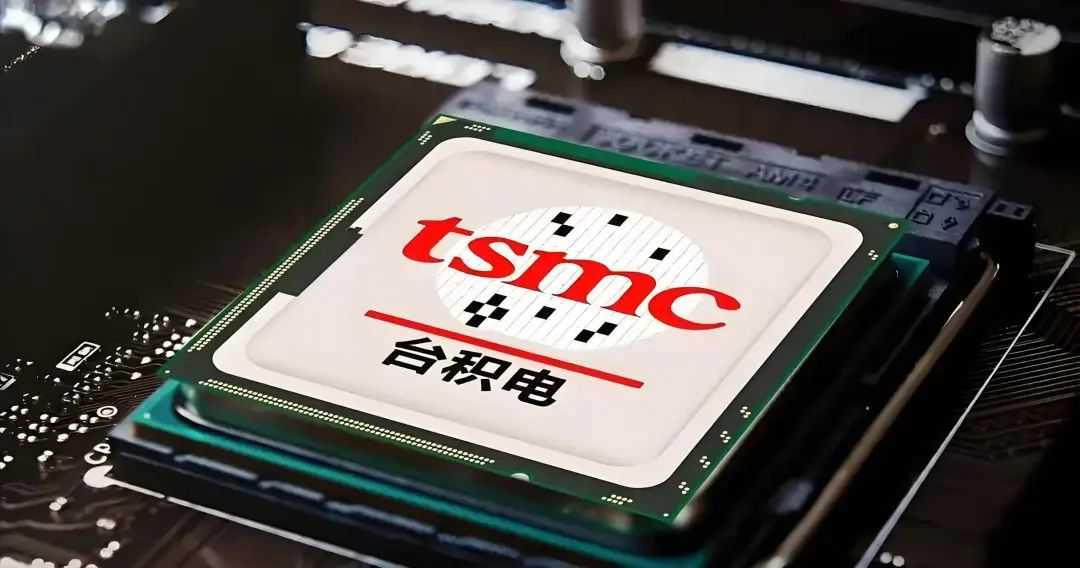
Taiwan Semiconductor Manufacturing Company (TSMC), the world’s largest chip foundry, dominates the global semiconductor industry with its mastery of advanced manufacturing processes below 7nm. Counting tech titans like Apple and NVIDIA among its clients, TSMC’s cutting - edge capabilities underpin the development of smartphones, AI accelerators, and other high - tech products. However, escalating geopolitical tensions have forced the company to expand production facilities in the United States and Japan, posing new challenges to its bottom line.

Plummeting International Student Numbers in Australia Raise Labor Shortage Fears; RBA Rate Cut Imminent

Australia is grappling with a sharp decline in international students, triggering concerns over labor market gaps. As of April 2025, the total number of international students dropped to 794,000, a decrease of 300,000 from the end of 2024. New enrollments plummeted 13% year-on-year to 219,000, while visa applications fell by over 30%. This is largely attributed to successive policy tightenings: visa fees were hiked twice in a year (from A$710 to A$1,600, then to A$2,000); English proficiency and financial proof requirements were raised


Australian Shares Edge Lower Ahead of RBA Decision; Tariff Clouds Linger

Australia’s stock market pulled back from record highs on July 7, with the S&P/ASX 200 slipping 0.16% to 8,589.3 and the All Ordinaries Index down 0.18% to 8,826.4. The decline followed confirmation that U.S. tariffs on multiple nations will take effect August 1—later than the previously expected July 10—with the U.S. Commerce Secretary stating "take-it-or-leave-it" tariff notices had been sent to over a dozen countries, stoking trade uncertainty.

German Industrial Orders Drop More Than Expected, Clouding Euro Zone Recovery

Germany’s industrial orders fell unexpectedly by 1.4% month-on-month in May, far exceeding the market’s projected 0.1% decline and ending a three-month recovery streak. Weak domestic demand emerged as the primary drag: domestic orders plummeted 7.8%, with the computer and electronics sector crashing 17.7%, while electrical equipment and basic metals industries also contracted.

Japan’s Spring Wage Hikes Hit New High, but Real Purchasing Power Shrinks; U.S. Tariff Standoff Looms

Japan’s 2025 "shunto" (spring wage negotiations) concluded with average pay hikes reaching 5.25%—equivalent to ¥16,356 per month—marking the second consecutive year of 5%-plus increases. Small and medium enterprises (SMEs) offered 4.65% raises (¥12,361 monthly), up 0.2 percentage points from 2024 but still lagging far behind large corporations. The Japanese Trade Union Confederation noted that while wage gains expanded, SMEs failing to hit the 5% threshold widened income disparities.

New Zealand Household Savings Deteriorate Further; Housing Market Shows Uneven Recovery

New Zealand’s household savings situation continued to worsen in the first quarter of 2025, with Statistics New Zealand data showing savings falling to -NZ$1.6 billion (a NZ$392 million quarterly decline), marking the third consecutive quarter of negative savings. This was driven by household spending growth (+2.2% to NZ$62.2 billion) outpacing disposable income gains (+1.5% to NZ$60.6 billion).

Australian Shares Edge Higher on Wall Street Record; RBA Rate Cut in Focus

Australian stocks rose modestly on Friday (July 5), buoyed by fresh record highs on Wall Street. The S&P/ASX 200 gained 0.17% to 8,610 in midday trade—less than 30 points from its all-time peak—while the All Ordinaries Index added 0.16% to 8,847.3. Despite stronger-than-expected U.S. jobs data dampening hopes for a July Fed rate cut, markets reacted positively to signs of economic resilience.

Pages