Health Care

UN Warns US Aid Cuts Could Lead to Millions of AIDS Deaths by 2029

The United Nations has issued a stark warning that U.S. cuts to global AIDS funding could result in millions of preventable deaths by 2029, with vulnerable nations in Africa bearing the brunt of the crisis. The abrupt withdrawal of U.S. assistance, coupled with the dissolution of USAID and a shift toward a "trade-for-aid" policy, has already triggered catastrophic disruptions in critical healthcare programs across the continent .

Montreux: Switzerland’s Renowned Beauty and Wellness Haven by Lake Geneva

Nestled in a sheltered bay on the eastern shore of Lake Geneva in Switzerland’s Vaud canton, the town of Montreux is framed by the snow-capped Alps, boasting breathtaking scenery. Long celebrated as a wellness retreat with a mild, pleasant climate, it covers 41 square kilometers and is home to around 23,000 residents—an idyllic small town known globally as a "mecca for beauty" and "capital of medical wellness."

Switzerland Leads Global High-End Medical Wellness with Integrated Climate-Based Services

Switzerland boasts a thriving medical and wellness industry, offering world-class “one-stop” integrated medical and wellness services centered on climate-based health. Its pleasant climate and fresh air have enabled a seamless “Internet + Health + Tourism” ecosystem, delivering convenient and personalized climate-related wellness experiences to global clients.

Montreal Woman Forced to Seek Treatment Abroad Due to Rare Brain Tumor

Celyn Harding-Jones, a Montreal resident, has been living with a rare brain tumor for two decades and has been compelled to look for treatment options outside of Canada. "I had to go abroad to save my life," she wrote in an email to CTV. "I couldn't find a neurosurgeon in Canada with experience treating this type of tumor or one who was willing to perform the surgery."

Measles: High Contagion and the Critical Role of Vaccination

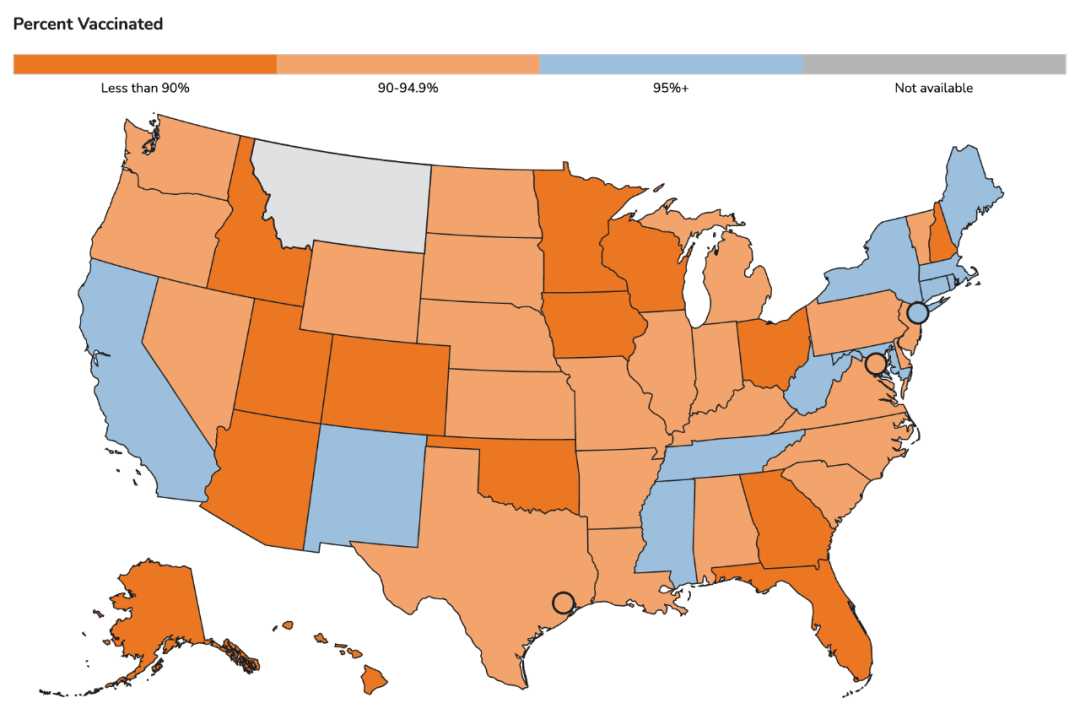
Measles is an acute rash-causing respiratory infection caused by the measles virus. It spreads primarily through respiratory droplets and eye conjunctiva contact, making it one of the most contagious diseases. Typical symptoms include fever, runny nose, cough, tearing, photophobia, and maculopapular rashes. A small number of patients may develop complications such as pneumonia, laryngitis, otitis media, myocarditis, or encephalitis, with severe cases potentially leading to death.

Mysterious Deadly Disease Spreads Rapidly in DRC, Killing Patients Within Hours

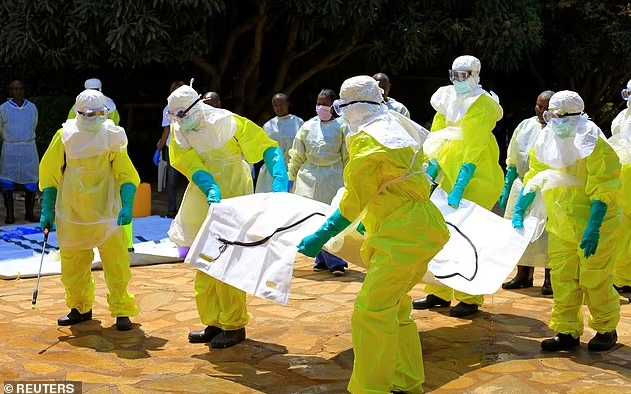
A mysterious and highly lethal disease is sweeping through the Democratic Republic of the Congo (DRC), with patients succumbing within 48 hours of symptom onset, prompting urgent global health alerts. The World Health Organization (WHO) has declared the outbreak a "major public health threat," as cases continue to surge across remote regions of Equateur Province. As of late February 2025, the crisis has escalated to 1,096 confirmed cases and 60 deaths, with a mortality rate of approximately 5.5% .

Solomon Islands’ Main Hospital Operating Theatres Declare Emergency Amid Supply Shortages

The Solomon Islands Ministry of Health announced on the 2nd that operating theatres at the National Referral Hospital (NRH) have entered a state of emergency. According to New Zealand’s RNZ, the ministry stated in a statement that services have been scaled back due to shortages of surgical consumables and anaesthetic drugs.

Jacobs School of Medicine and Biomedical Sciences: A Historic Return and Architectural Excellence

The University at Buffalo, The State University of New York, relocated its Jacobs School of Medicine and Biomedical Sciences to downtown Buffalo, bringing one of America’s oldest medical schools back to its founding roots. Merged with the Buffalo Niagara Medical Campus, it now forms a leading academic medical and research hub.

NIH’s SRLM Building: A Hub for Biomedical Innovation and Seamless Integration

The National Institutes of Health (NIH)’s new Surgical, Radiological, and Laboratory Medicine (SRLM) Building, located in Bethesda, Maryland, spans 58,530 square meters. As part of the world’s largest biomedical research institution—dedicated to studying disease causes, diagnostics, prevention, and treatments—the facility advances NIH’s mission by creating an inspiring space for scientists, doctors, and patients to collaborate, heal, and innovate.


Pages