Medical Industry News

Sweden's Exceptional Healthcare and Mental Health Standing

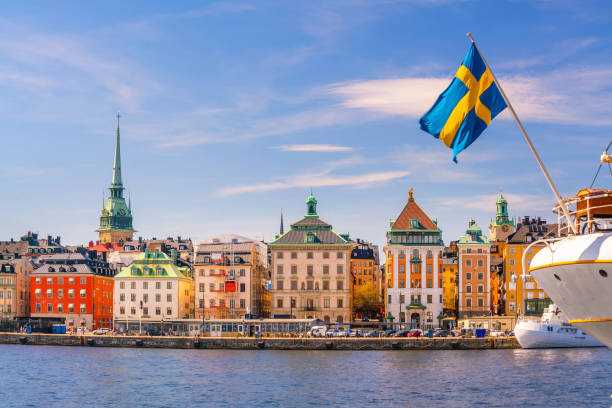
Sweden, with a population of around 10 million, boasts over 100 hospitals. This extensive network ensures that high - quality medical services are accessible even to those in remote areas. The regions in Sweden are mainly responsible for health services, running the majority of these hospitals. For instance, about 85 of them are under regional government management, which helps in the overall planning and resource allocation for healthcare.

Iceland: A Beacon of Health and Well-being

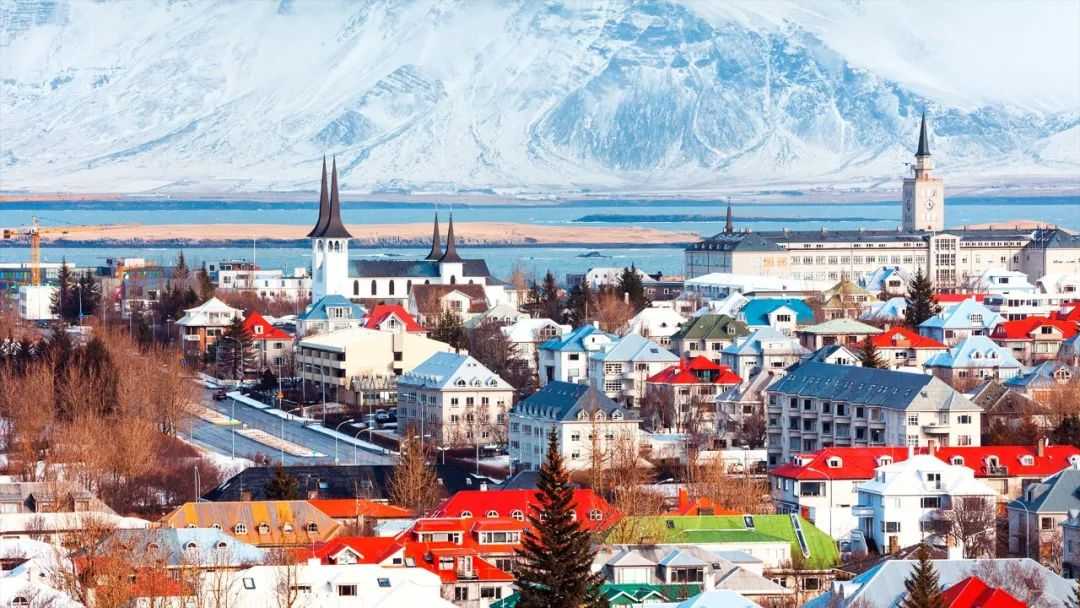
Iceland has long been lauded for its unique natural beauty and rich cultural heritage. However, recent data reveals that it is also a global leader in several aspects of public health and social welfare. With an average life expectancy of 83 years, Iceland ranks 12th in the world, a testament to the effectiveness of its healthcare system and the overall quality of life its residents enjoy.

South Korea's Robust Public Healthcare System Shines

South Korea's National Health Insurance (NHI) system has emerged as a global model for its effectiveness and innovation. With a strong focus on preventive healthcare, NHI encourages regular medical check - ups and disease screenings, enabling early detection and timely treatment. This proactive approach has been instrumental in promoting the overall well - being of the population and reducing the burden of serious illnesses.

Japan’s Healthcare Achievements Set Global Benchmarks

Japan continues to distinguish itself on the global health stage, boasting remarkable statistics across multiple metrics. With a life expectancy of 84.4 years, it leads among major countries, reflecting the effectiveness of its healthcare system. Complementing this longevity, Japan maintains an astonishingly low obesity rate of 4.6%, a stark contrast to the global average of 25.7%. These figures underscore the nation’s success in promoting healthy lifestyles and preventive care.

Pages