Travel

Iconic Global Landmarks: Architectural Wonders and Natural Marvels

Mont Saint - Michel in Normandy, France, stands as a miraculous structure seemingly floating on the sea. With its unique architectural style, this medieval abbey - town rises dramatically from the rocky islet, surrounded by the tides. As the waters ebb and flow, the sight of Mont Saint - Michel emerging from the misty sea creates an otherworldly and unforgettable experience, blending history, spirituality, and architectural grandeur.

Global Attractions: Diverse Wonders of Nature and Culture

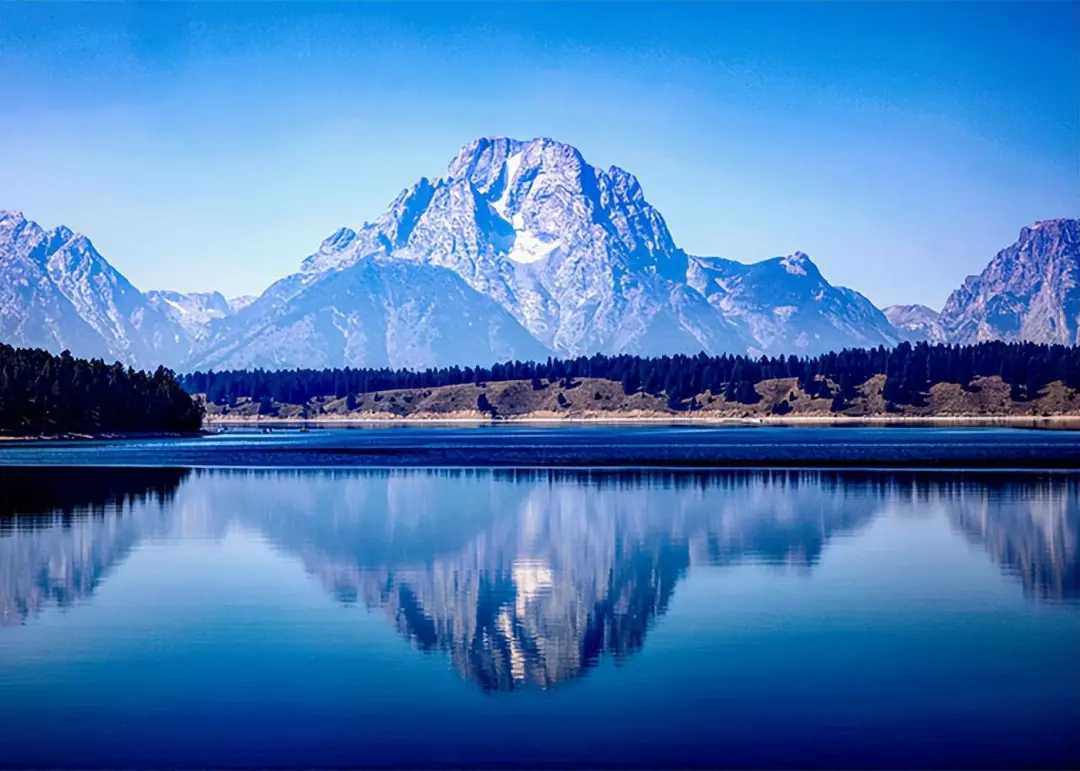
The Grand Teton, Yellowstone, and Sequoia National Parks in the United States each boast unique characteristics, making them paradises for nature enthusiasts. Grand Teton showcases majestic snow - capped peaks and crystal - clear alpine lakes; Yellowstone is renowned for its geothermal wonders, including geysers and hot springs; while Sequoia is home to giant sequoia trees, some of the largest and oldest living organisms on Earth. Together, these parks offer unparalleled opportunities to immerse in the raw beauty of nature.

Global Marvels: Diverse Landmarks of Culture, Nature, and Technology

The Alhambra in Spain exudes a mysterious radiance under the cover of night. As the most iconic cultural landmark in Granada, this magnificent palace and fortress complex showcases the pinnacle of Moorish architecture and art. With its intricate tile work, ornate arches, and serene courtyards, the Alhambra tells the story of a rich and vibrant history. At night, the soft lighting enhances its allure, transporting visitors back in time to an era of grandeur and mystery.

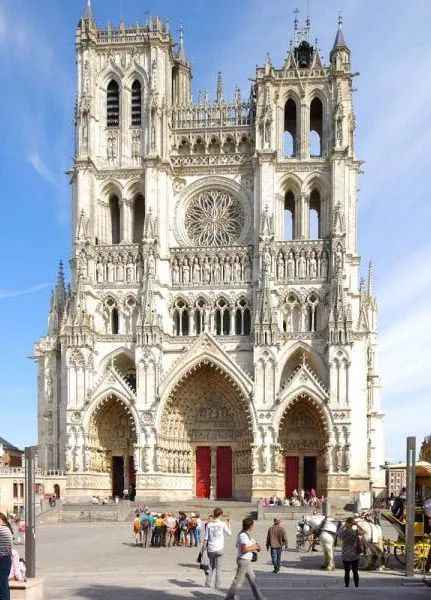
Amiens Cathedral, France: A Pinnacle of Medieval Gothic Architecture and Spiritual Symbol

Amiens Cathedral (Cathédrale d'Amiens), located on the banks of the Somme River in Amiens, Somme, France, stands as the largest Gothic cathedral in the country. Its grand scale and exquisite craftsmanship rank it among the wonders of medieval architectural art. Built over nearly two centuries, this cathedral is not only a core symbol of French cultural heritage but also inscribed as a UNESCO World Heritage Site in 1981.

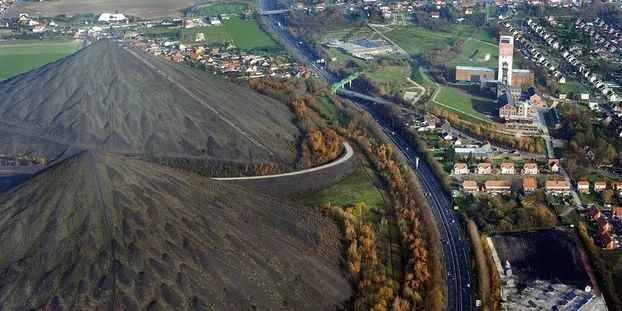
Nord-Pas de Calais Mining Basin: Europe's Industrial Relic Transformed into a UNESCO World Heritage Success Story

Introduction The Nord-Pas de Calais Mining Basin in northern France, once the beating heart of Europe's Industrial Revolution, now captivates the world with its unique story of industrial heritage revival. Spanning 120,000 hectares, this former coal mining hub was inscribed on the UNESCO World Heritage List in 2012 for its 109 preserved industrial sites and ecological restoration marvels.

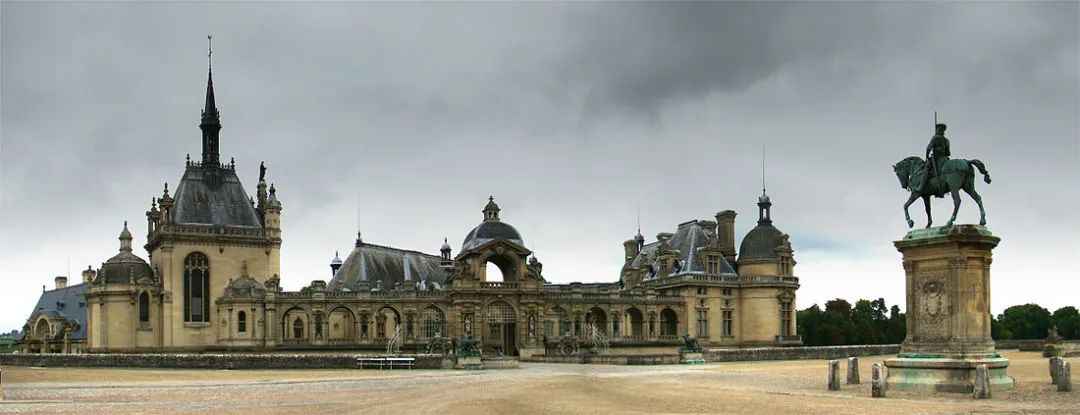
Splendor Unveiled: Exploring the Timeless Elegance of Château de Chantilly, France’s Regal Castle Museum

Nestled in the heart of the French countryside, the Château de Chantilly stands as a testament to centuries of artistic brilliance and aristocratic grandeur. This architectural marvel, often hailed as a "castle museum," seamlessly blends Renaissance opulence with a world-class collection of art and historical treasures, making it a must-visit destination for culture enthusiasts and history buffs alike.

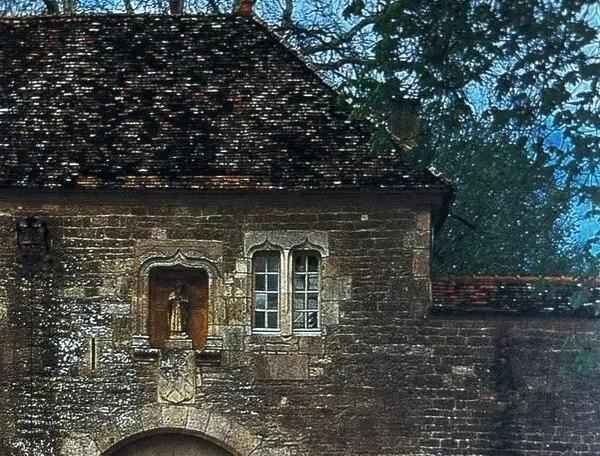
Fontenay: A Historical Gem in Burgundy's Valleys

Nestled in the northern valleys of Burgundy, France, the town of Fontenay lies 250 kilometers from Paris, standing as a cultural landmark steeped in history. Its centerpiece is the Fontenay Abbey, founded in 1119 by St. Bernard. As one of France’s rare Cistercian abbeys and a UNESCO World Heritage Site, its Romanesque architecture embodies the purity of medieval religious design.

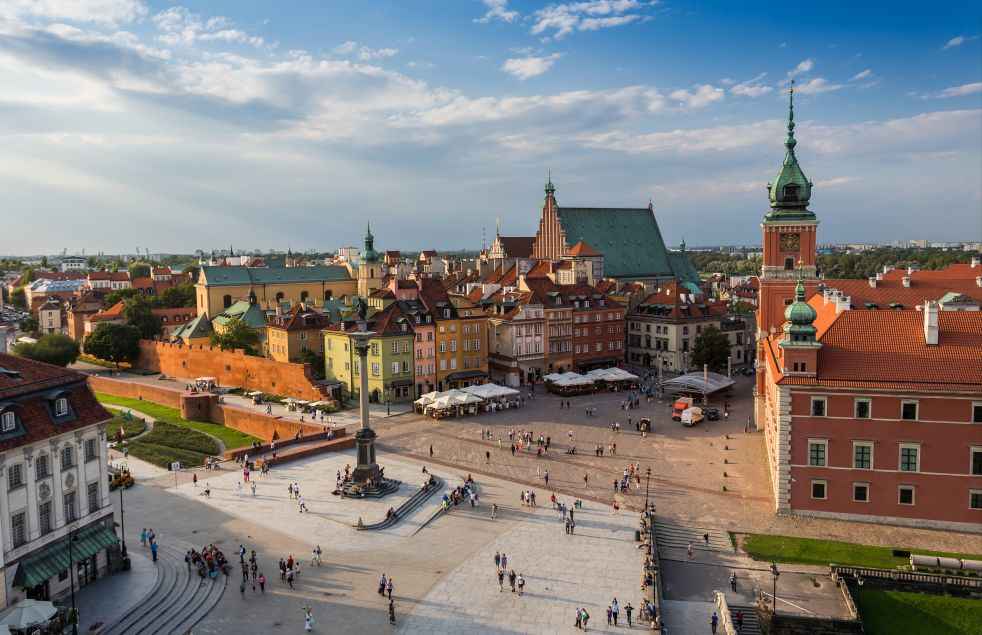
Warsaw's Old Town: The Medieval Jewel Reborn from Ashes

Warsaw's Old Town (Polish: Stare Miasto), the oldest district of Poland's capital, embodies a nation's phoenix-like resilience. In August 1944, Nazi forces systematically destroyed 85% of this 600-year-old city during the Warsaw Uprising, leaving only rubble and ashes . Yet, over two decades, the Polish people meticulously reconstructed it to its pre-war glory, earning its place on the UNESCO World Heritage List in 1980 as "an outstanding example of near-total reconstruction spanning the 13th to 20th centuries" .

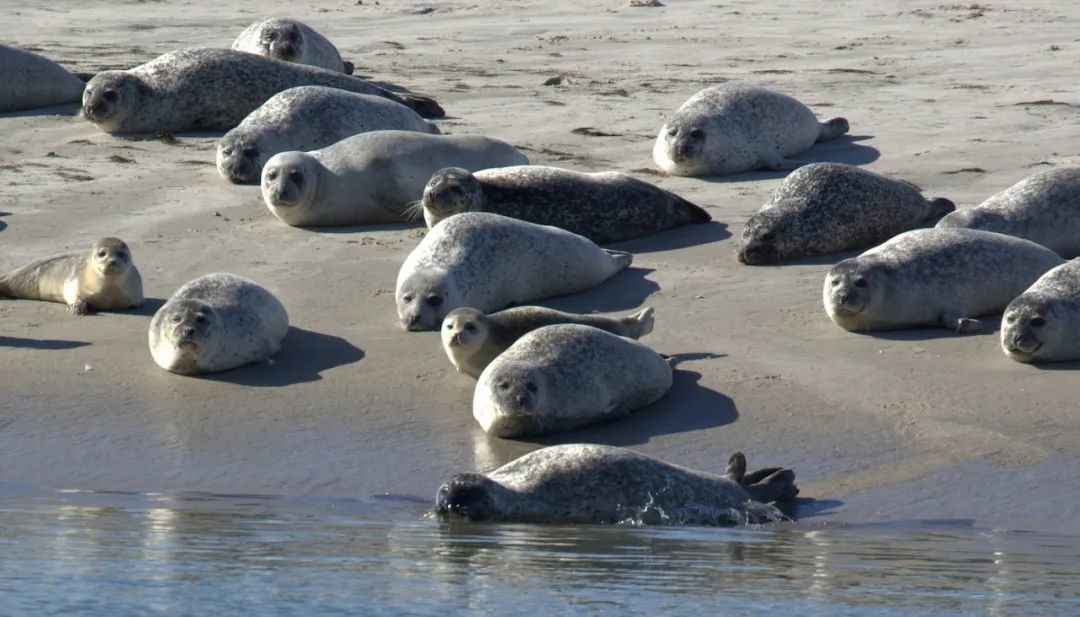
Baie de Somme, France: A Seal Haven and Ecological Marvel on the Atlantic Coast

Nestled along the Atlantic coast of Picardy in northern France, the Baie de Somme stands out as a unique ecosystem and year-round sanctuary for seal populations. Comprising marshes, mudflats, and sandbars, this triangular expanse serves as a vital stopover for migratory birds and hosts one of Europe's largest colonies of harbor seals (Phoca vitulina), attracting tens of thousands of visitors annually to witness its natural splendor. Natural Heritage and Ecol

A Comprehensive Guide to the Eight Most Stunning National Parks in the US: From Yellowstone to Yosem

The United States National Park System is hailed as the "Open-Air Museum of the Earth." It boasts a stunning array of natural landscapes, including volcanoes, glaciers, canyons, and deserts. Whether it's the boiling geothermal wonders of Yellowstone National Park or the geological strata of the Grand Canyon that have taken hundreds of millions of years to form, each place bears the marks of the Earth's evolution. Today, we've handpicked eight "must-visit" national parks to take you on a journey to experience the wildness and romance of nature.

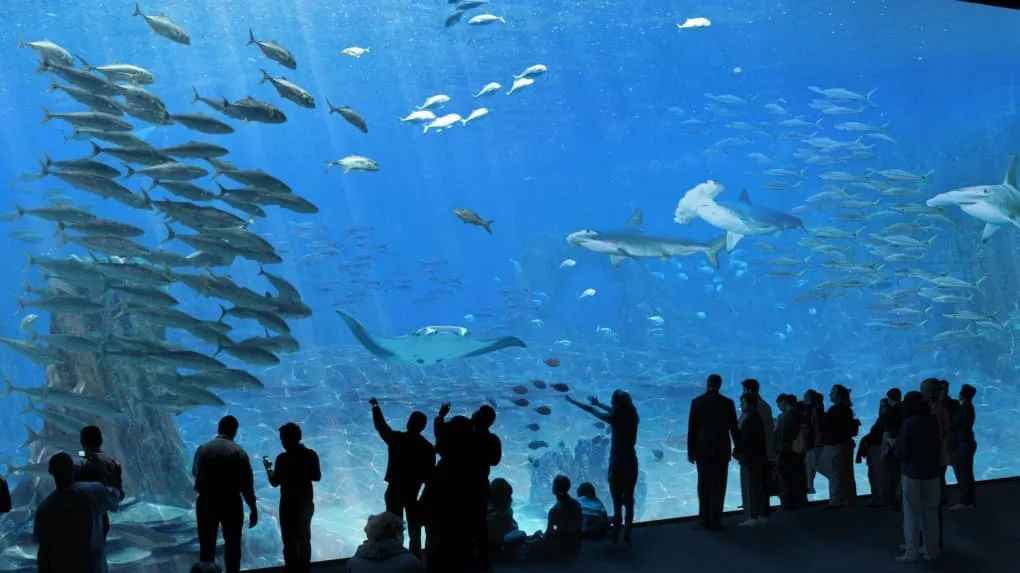
Nausicaá: Europe's Largest Aquarium Unveils New Depths of Marine Wonder

Nausicaá National Sea Centre in Boulogne-sur-Mer, France, stands as Europe’s largest aquarium, blending cutting-edge technology with ecological advocacy to redefine marine exploration. Since its 1991 opening, this 10,000-square-meter facility has welcomed over 20 million visitors, offering an immersive journey through the world’s oceans while championing sustainable ocean stewardship.

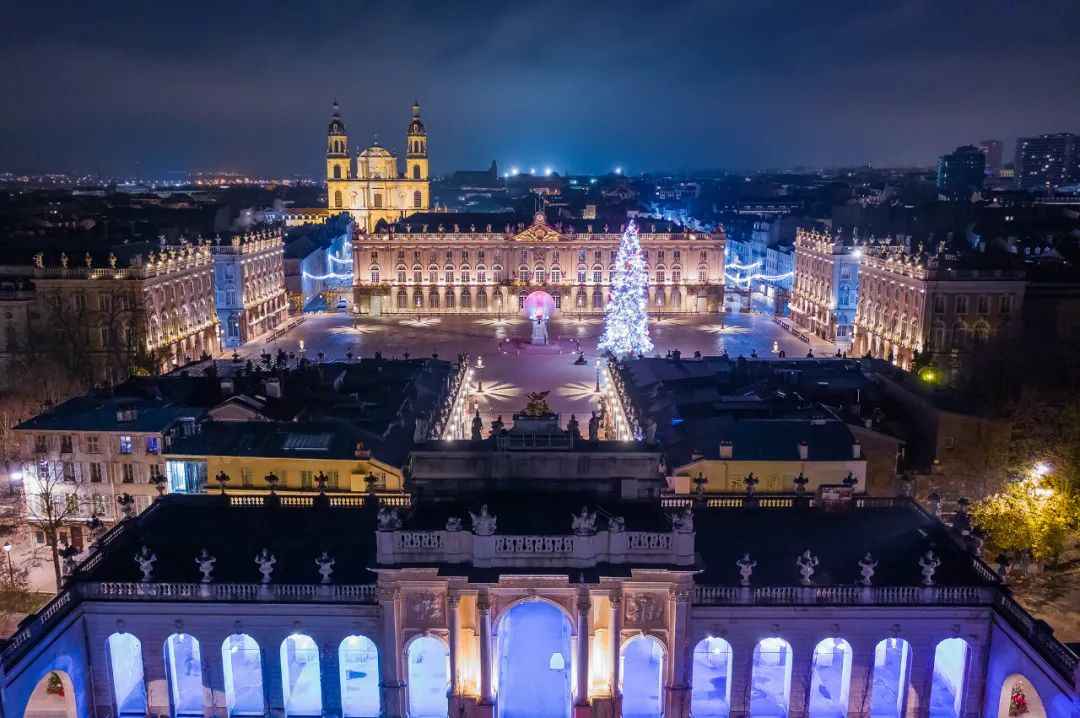
Place de Stanislas de Nancy: A Timeless Fusion of Rococo Art and Enlightenment Vision

Hailed as one of Europe’s most beautiful squares, Place de Stanislas de Nancy in France stands as a testament to architectural grandeur and historical significance. Built between 1752 and 1763 under the direction of architect Emmanuel Héré de Corny, the square was commissioned by Stanislas Leszczynski, Duke of Lorraine, to commemorate his reign and symbolize the Enlightenment’s urban ideals.

Pages